Zwischen Algorithmus und Empathie
Brauchen wir noch echte Coaches?
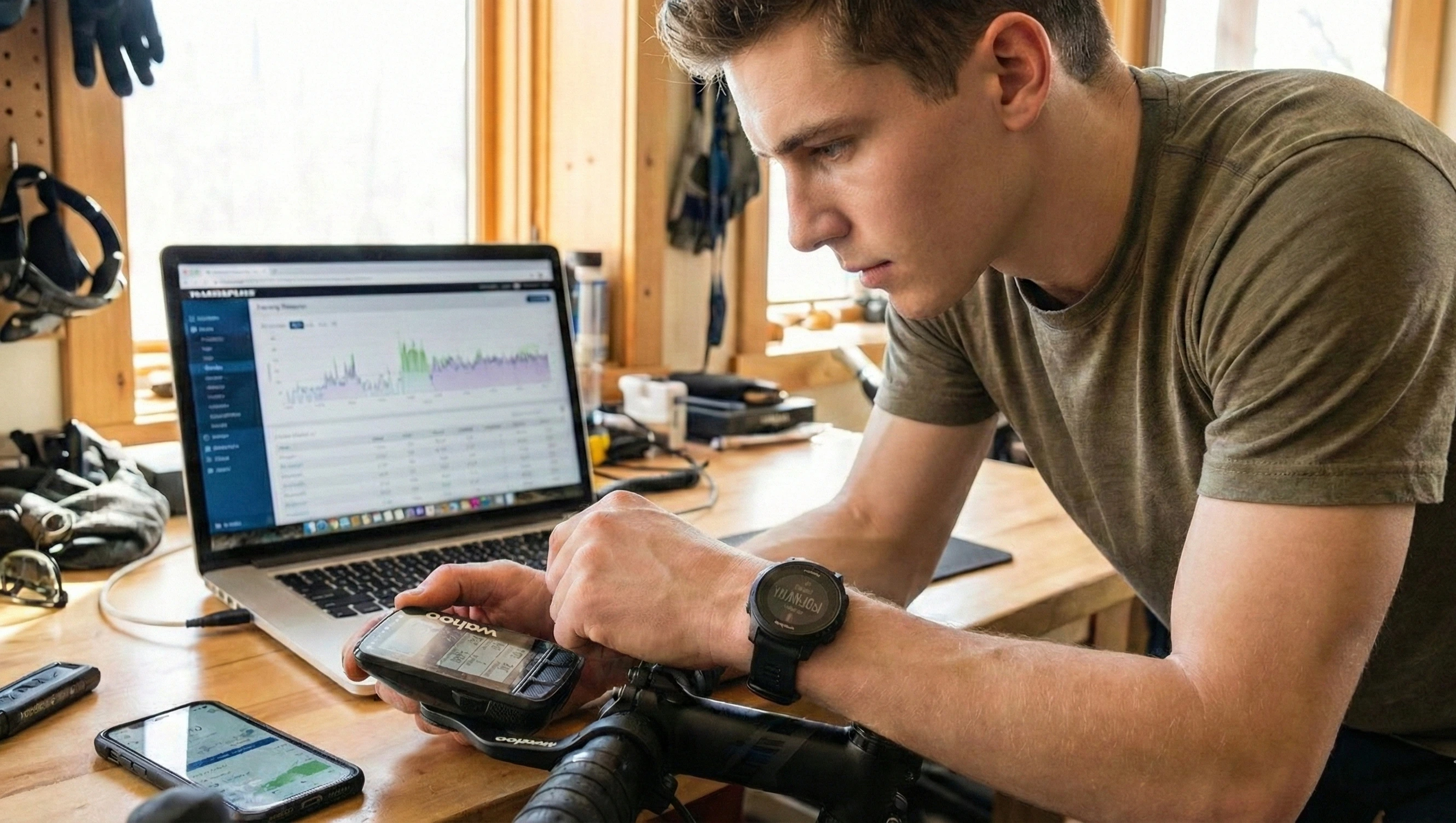
„Software is eating the world“, hieß es lange im Silicon Valley.
Heute lautet das Mantra: „AI is eating software“.
Wenn wir uns Plattformen wie TrainingPeaks oder Garmin Connect ansehen, wird klar:
Die Künstliche Intelligenz wird den analytischen Teil des Coachings nicht nur weiterentwickeln. Sie wird die Art und Weise wie gecoached wird komplett verändern.
Doch die Qualität eines Coaches ist nicht die Fähigkeit einen guten Trainingsplan zu schreiben. Ein guter Coach lebt von seiner Empathie, seiner Emotion und Intuition, die er zusammenbringt mit möglichst viel Expertise und jahrelanger Erfahrung.
Im Zuge der Entwicklung von KI und wie sie Coaching verändern wird, lautet die Frage vielmehr:
Can AI create relationships?
Coaching ist kein Trainingsplan. Coaching ist Vertrauen.
Echtes Coaching ist weit mehr als die Aneinanderreihung von Trainingseinheiten. Sie basiert auf einer Beziehung zwischen Sportler und Trainer. Die sich daraus entwickelt, dass der Trainer lernt, was sein Schützling braucht, um zu performen; der Sportler lernt hingegen, was sein Trainer benötigt, um ihn optimal steuern zu können. Der große Vorteil für den Sportler liegt darin Verantwortung abgeben zu dürfen, um sich auf das das Wesentliche fokussieren zu können: das Training.
Natürlich ist das präzise Abarbeiten von Vorgaben – die richtige Einheit zur richtigen Zeit – im Training essenziell. Das Ziel bleibt immer die Steuerung von Belastung und Entlastung für die maximale Performance. Doch die Wege dorthin sind vielfältig. Gäbe es die eine, perfekte Anleitung, müssten wir alle einfach nur die Trainingspläne von Olympiasiegern kopieren.
Doch zum Glück gibt es dieses Rezept nicht, denn genau hier liegt das Potential sowohl für die künstliche Intelligenz als auch den menschlichen Coach.
Die Stärke der KI: Der Experte für das Detail
Künstliche Intelligenz kann Datenmengen analysieren, verarbeiten und verstehen, bei denen das Gehirn eines menschlichen Coaches längst kapituliert. Sie erkennt Muster in Metriken wie der Herzfrequenzvariabilität, dem Schlaf, der Trainingslast und vielen mehr. In Millisekunden kombiniert sie diese mit dem gesamten verfügbaren sportwissenschaftlichen Wissen und ordnet sie ein.
Die KI ist der perfekte objektive Experte für das physiologische Detail.
Die Stärke des Menschen: Das Verständnis für das Konstrukt
Ein menschlicher Coach hingegen versteht den Athleten als Ganzes. Seine Stärke liegt in der Empathie für das „Konstrukt Mensch“ – für Gedanken, Emotionen und die unvorhersehbaren Wendungen des Lebens. Er kombiniert diese mit sportwissenschaftlichem Wissen und in optimalfall jahrelanger Erfahrung.
Vertrauen ist eine Typfrage
Wodurch entsteht Vertrauen? So vielfältig die Wege zum Olympiasieg sind, so unterschiedlich sind auch die Bedürfnisse von Menschen, um Vertrauen aufbauen zu können.
Athlet Typ A: Er sieht Training als das Empfangen und Ausführen von Befehlen im Dienste der maximalen Performance. Für ihn ist Schmerz eine „Schwäche, die den Körper verlässt“, und harte Arbeit die Währung, die zählt. Er braucht klare Ansagen und liebt es, wenn objektive Daten diese bestätigen. Solch ein Sportler würde sich bei einem Coach wie Felix Magath wahrscheinlich sehr gut aufgehoben fühlen, Vertrauen fassen und gute Leistungen abliefern.
Athlet Typ B: Er ist sensibel; Wettkampf bedeutet für ihn häufig Druck. Gegner sieht er nicht als Feinde, sondern als Mitstreiter. Die optimale Performance ist für ihn nicht das alleinige Ziel, sondern ein Produkt, das aus dem Prozess entsteht. Er braucht Zuspruch, psychologische Führung und ein menschliches Sicherheitsnetz. Er würde wahrscheinlich unter einem Coach wie Jürgen Klopp aufblühen.
Das sind natürlich überzeichnete Beispiele, doch sie sollen veranschaulichen, dass es für die verschiedenen Persönlichkeiten menschliche Coaches gibt, die besser oder schlechter geeignet sind. Je besser ein Coach ist, auf desto mehr Persönlichkeitstypen kann er sich einstellen.
Die große Stärke der KI liegt bislang in der Mustererkennung. Darin ist sie schon jetzt besser als das menschliche Gehirn. Die nächste große Herausforderung wird darin liegen, Vertrauen durch die Interaktion aufzubauen. Dieses Vertrauen wird die KI bei unterschiedlichen Persönlichkeiten unterschiedlich schnell erreichen. Ob sie es für alle schafft – Das wird die Zukunft zeigen.
Die Wissenschaft des Vertrauens: Der Kontext-Faktor
Die Wissenschaft stützt die Bedeutung des Faktors Vertrauen. Es ist erwiesen, dass die psychologische Komponente die physiologische Wirkung beeinflusst – ähnlich dem Placebo-Effekt in der Medizin. Ein zentrales Konzept ist hier der „Contextual Factor“.
„Die Überzeugung eines Athleten von der Wirksamkeit einer Trainingsmethode kann die physiologische Reaktion darauf signifikant beeinflussen. Wenn das Vertrauen in den Coach oder das System fehlt, bleibt die Performance oft hinter den Erwartungen zurück.“
(Vgl. Beedie et al., 2015, zum Placebo-Effekt im Sport).
Einfach gesagt: Training wirkt besser, wenn der Athlet felsenfest davon überzeugt ist, dass es das Richtige für ihn ist – unabhängig davon, ob es rein objektiv das „perfekte“ Rezept ist.
Fazit: Keine Verdrängung, sondern eine neue Zielgruppe
Aus unserer Sicht lautet die Frage also nicht, ob die Künstliche Intelligenz das menschliche Coaching, sondern:
Wie viel kann KI-Coaching ersetzen und für wen ist es geeignet?
Gerade im Ausdauersport spielen Daten eine enorme Rolle. Die KI wird für sehr viele Menschen in diesem Bereich ein „sehr gutes“ Coaching liefern – effizient, jederzeit verfügbar und datentechnisch präziser als jeder Mensch. Das alles zu einem Bruchteil der Kosten eines menschlichen Coaches.
KI-Coaching erreicht jene, die Autonomie schätzen, die Effizienz und Präzision suchen und eine hohe Eigenmotivation besitzen. Das alles zu einem Bruchteil der Kosten eines menschlichen Mentors. Es ist die perfekte Wahl für autonome, datenaffine Athleten mit hoher Eigenmotivation.
Menschliches Coaching bleibt für jene unverzichtbar, die das „Gesehen-Werden“, den Dialog und die emotionale Stütze brauchen, um über ihre Grenzen hinauszuwachsen und bereit sind in diese, exklusive zwischenmenschliche Beziehung zu investieren.
Am Ende ist Coaching immer eine individuelle Reise. Ob man diese mit einem digitalen Kompass oder einem erfahrenen Bergführer antritt, bleibt eine Frage der Persönlichkeit. Beides führt zum Gipfel.