Der Conscious Quitter
Du entscheidest, wann Schluss ist
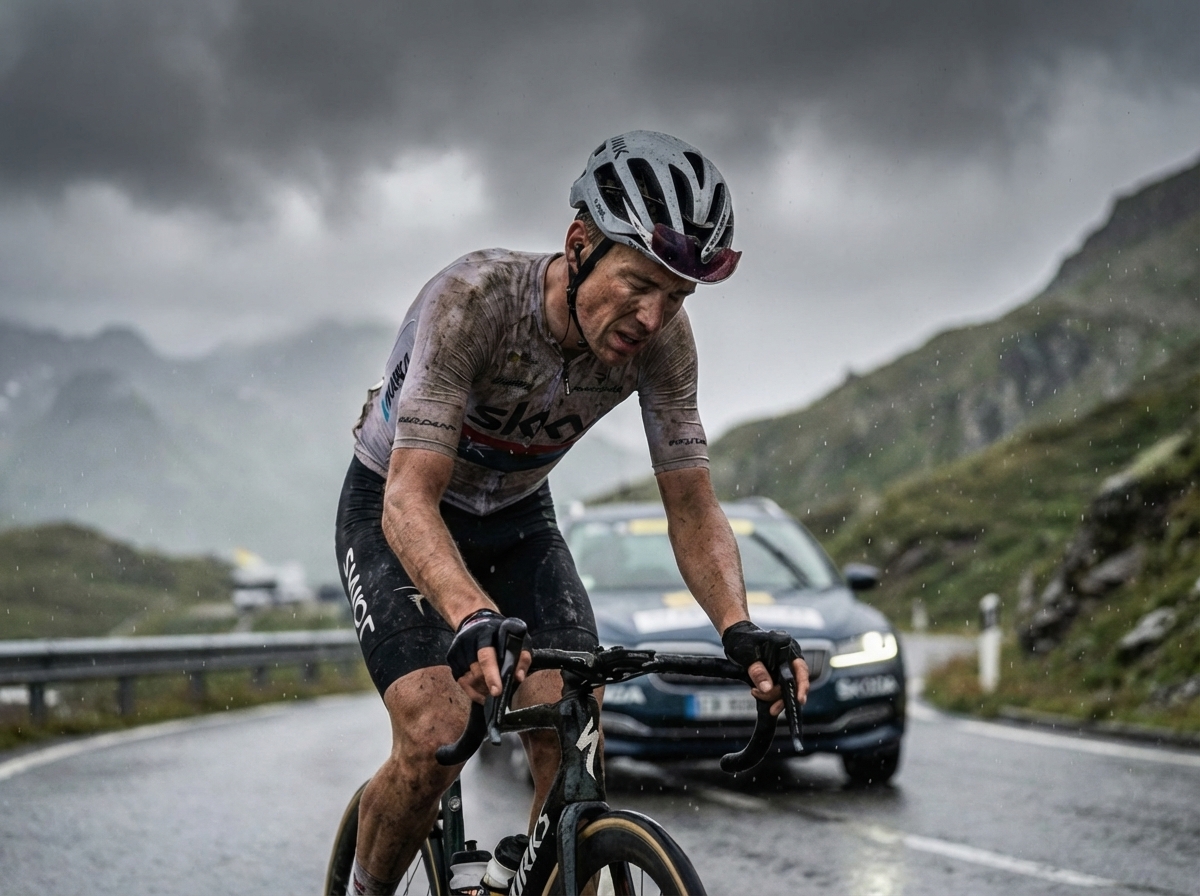
TL;DR: Teil 3 der Ermüdungsserie befasst sich mit Samuel Marcoras Psychobiologischem Modell. Ermüdung wird hier als bewusste Kosten-Nutzen-Entscheidung (RPE vs. Motivation) verstanden, die durch Mentaltraining, Koffein oder visuelle Reize beeinflusst werden kann.
Im zweiten Teil unserer Serie haben wir über den Central Governor von Tim Noakes gesprochen – die Theorie, dass dein Gehirn wie ein unbewusster Sicherheitsregler fungiert, der dich bremst, bevor du dich physisch zerstörst. Doch was, wenn diese Grenze gar nicht so unbewusst definiert wird?
Hier betritt Samuel Marcora die Bühne. Sein Psychobiologisches Modell weist zwar Ähnlichkeiten zu Noakes auf, unterscheidet sich aber in einem entscheidenden Punkt: Marcora behauptet, Ermüdung sei keine unbewusst gesteuerte Schutzmauer, sondern eine bewusste Entscheidung des Sportlers.
Während Noakes das Gehirn als unterbewussten Regulator sieht, geht Marcora einen Schritt weiter. Er postuliert: Wir hören nicht auf, weil uns das Gehirn zur Sicherheit stoppt oder der Muskel physisch versagt. Wir hören auf, weil wir nicht mehr wollen. Es ist das Ergebnis einer simplen Kosten-Nutzen-Rechnung in unserem Kopf. Die zwei entscheidenden Variablen sind:
RPE (Rating of Perceived Exertion): Die wahrgenommene Anstrengung. Wie hart fühlt es sich gerade an?
Motivation: Wie sehr will ich das Ziel erreichen und welchen „Preis“ bin ich bereit, dafür zu zahlen?
Ermüdung ist laut Marcora schlicht das Erreichen der maximalen individuellen Anstrengungswahrnehmung. Du brichst ein Intervall nicht ab, weil dein Laktatwert exakt 12 mmol erreicht hat, sondern weil der mentale Aufwand, gegen dieses Gefühl anzukämpfen, den subjektiven Nutzen (die Motivation) übersteigt. In diesem Moment wirst du zum „Conscious Quitter“ – du triffst die bewusste Wahl, das Tempo zu drosseln oder aufzugeben.
Lächeln macht dich schneller
Wenn Ermüdung primär im Kopf entsteht, lässt sie sich dort auch manipulieren. Marcora untermauerte dies mit Studien zum „Facial Feedback“-Effekt. Bereits 1988 zeigten Strack et al., dass unsere Mimik direkt unsere Emotionen beeinflusst: Probanden, die einen Stift so im Mund hielten, dass sie unbewusst lächelten, bewerteten Cartoons als deutlich lustiger als die Kontrollgruppe.
Marcora transferierte dies ins Labor: Athleten fuhren bis zur Erschöpfung, während ihnen subliminal (für Millisekunden, also unbewusst) lachende oder traurige Gesichter gezeigt wurden. Das Ergebnis war verblüffend: Die „Lach-Gruppe“ hielt im Schnitt 10 % länger durch. Der Grund liegt in der Psyche: Positive visuelle Reize senken die RPE. Die Belastung fühlte sich schlicht „weniger schlimm“ an.
Die gefühlte Anstrengung ist hierbei der alles entscheidende Filter unserer Leistung. Sie fungiert als inneres Barometer, das ständig abgleicht, ob der aktuelle Krafteinsatz noch im Verhältnis zum Ziel steht. Sobald diese Wahrnehmung einen kritischen Schwellenwert überschreitet, signalisiert uns der Geist, dass die Kosten zu hoch werden. Wer lernt, dieses Empfinden bewusst zu steuern, verschiebt damit zwangsläufig seine physische Leistungsgrenze.
Wundermittel Koffein
Auch die Wirkung von Koffein stützt Marcoras Theorie. Der Leistungsboost entsteht nicht primär durch eine angekurbelte Fettverbrennung, sondern im Gehirn. Als Adenosin-Antagonist blockiert Koffein die Rezeptoren, die uns Müdigkeit signalisieren. Es dämpft schlichtweg die RPE. Koffein verändert also nicht direkt die Kapazität deiner Muskeln, sondern verschiebt die Grenze deiner mentalen Belastbarkeit nach oben.
Alex Hutchinson wählt in seinem Buch einen treffenden Vergleich: Wenn du deinen Finger in eine Flamme hältst, ziehst du ihn reflexartig weg. Das ist ein Schutzreflex. Die Essenz des Ausdauersports besteht darin, diesen Instinkt zu überschreiben. Es geht darum, den Finger ein Stück näher an die Flamme zu halten und ihn dort zu lassen – nicht nur für Sekunden, sondern für Stunden.
Nach Marcora ist dein „Aufgeben“ nicht der Moment, in dem der Finger verbrennt (das physische Versagen). Es ist der Moment, in dem du entscheidest, dass der Schmerz der Hitze den Sieg nicht mehr wert ist. Training bedeutet also nicht nur, die Beine stärker zu machen, sondern die Fähigkeit zu trainieren, die Entscheidung zum „Wegziehen“ immer weiter hinauszuzögern.
Fazit: Vom Muskel in den Kopf
In unserer dreiteiligen Serie haben wir uns auf die Suche nach dem wahren Limit der menschlichen Leistungsfähigkeit gemacht. Die Antwort auf die Frage, warum wir im Wettkampf anhalten oder das Tempo drosseln müssen, hat sich im Laufe der wissenschaftlichen Historie massiv gewandelt.
Wenn wir die drei großen Theorien betrachten, erkennen wir eine faszinierende Evolution – weg von der reinen Physiologie, hin zur Psychologie: Von A.V. Hills klassischem Physiologischen Modell (der Körper als rein mechanische Maschine), über Tim Noakes’ Central Governor Model (das Gehirn als unbewusster Sicherheitsbeauftragter) , bis hin zu Samuel Marcoras Psychobiologischem Modell (der Athlet als „Conscious Quitter“, der bewusst anhand der gefühlten Anstrengung entscheidet).
Die Erkenntnis für dein Training
Was bedeutet diese wissenschaftliche Reise nun für die Praxis?
Sie zeigt uns, dass Ausdauerleistung aus zwei untrennbaren Säulen besteht. Auf der einen Seite steht dein „Motor“ – dein Herz-Kreislauf-System, deine Muskeln, dein Stoffwechsel. Durch physisches Training baust du dieses Leistungspotenzial auf.
Auf der anderen Seite steht dein „Geist“. Er fungiert als Filter und entscheidet, wie viel von diesem Potenzial du am Renntag tatsächlich abrufen kannst. Die Wissenschaft macht deutlich: Wenn du im Wettkampf an den Punkt kommst, an dem dein Körper laut „Stop!“ schreit, bist du physisch noch lange nicht am Ende. Du bist lediglich an dem Punkt angelangt, an dem dein Gehirn dich testen will.
Wenn wir unsere Grenzen verschieben möchten, dürfen wir uns also nicht nur auf das Training unserer Beine fokussieren. Wir müssen lernen, „den Finger ein Stück länger in der Flamme zu halten“. Es geht darum, den Umgang mit der wahrgenommenen Anstrengung (RPE) aktiv zu trainieren und den Impuls zum „Aufgeben“ als das zu erkennen, was er ist: eine bewusste Entscheidung. Denn so haben wir die Möglichkeit, diesen Moment weiter nach hinten zu schieben. Wie Alex Hutchinson so treffend schrieb: Unsere Limits sind elastisch – wir haben es selbst in der Hand, wo unsere Grenzen liegen.
Die zitierten Quellen:
Strack, F., Martin, L. L., & Stepper, S. (1988). Inhibiting and facilitating conditions of the human smile: a nonobtrusive test of the facial feedback hypothesis. Journal of Personality and Social Psychology.
Blanchfield, A. W., Hardy, J., de Morree, H. M., Staton, W., & Marcora, S. M. (2014). Talking yourself out of exhaustion: the effects of self-talk on endurance performance. Medicine & Science in Sports & Exercise. (Sowie die spezifische Studie zu subliminalen Reizen: Frontiers in Human Neuroscience, 2014).
Doherty, M., & Smith, P. M. (2005). Effects of caffeine ingestion on rating of perceived exertion during and after exercise: a meta-analysis. Scandinavian Journal of Medicine & Science in Sports.
Huttchinson, A. (2018). Endure: Mind, Body, and the Curiously Elastic Limits of Human Performance. William Collins.