Heat Training
Hype oder Gamechanger? Was Heat Training wirklich bringt
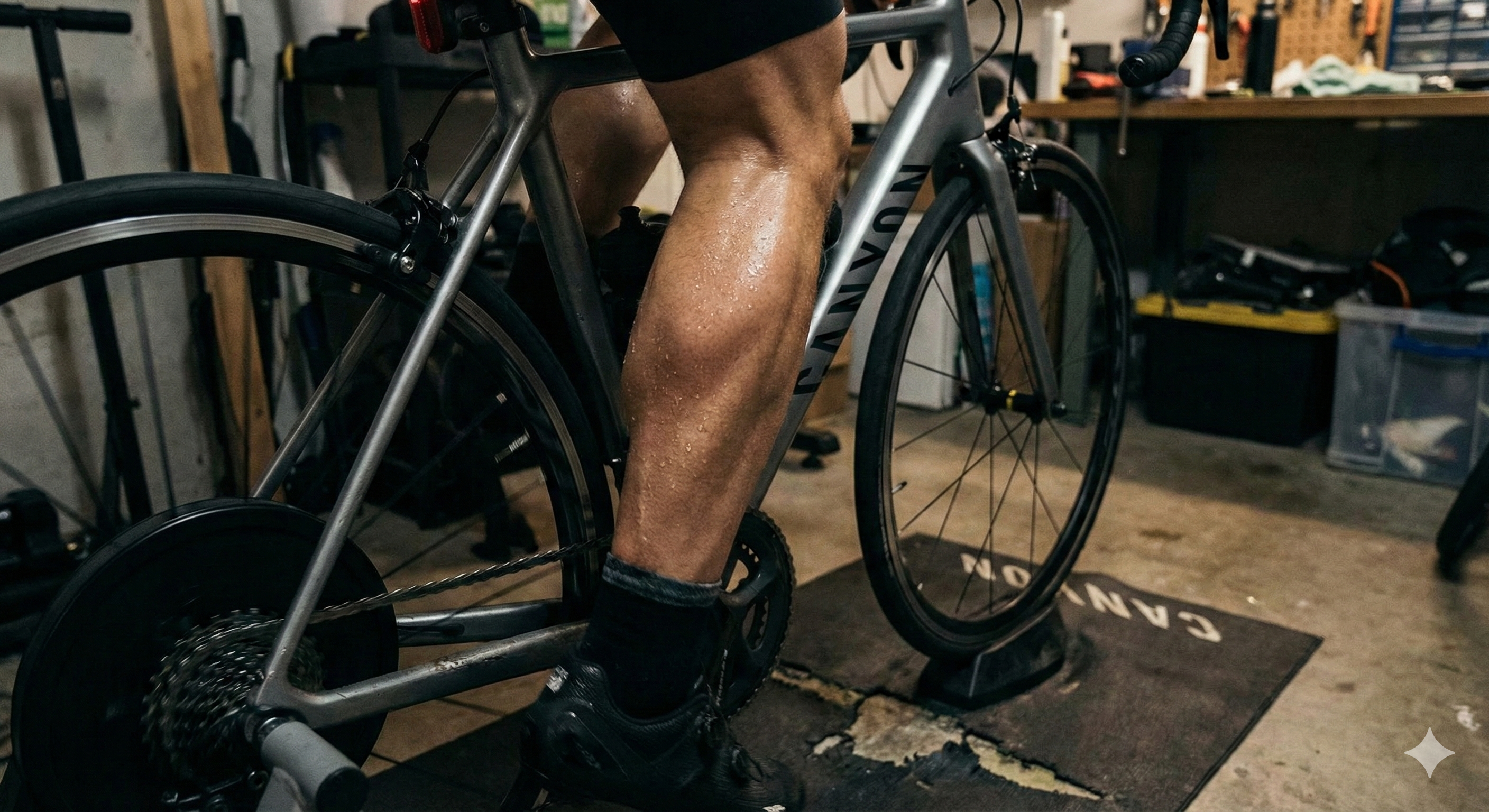
TL;DR: Hitzetraining (Heat Training) kann das Blutplasmavolumen und die Hämoglobinmasse steigern und wirkt wie ein Höhentraining des kleinen Mannes. Für Amateursportler steht der extreme Stress und Zeitaufwand jedoch oft in keinem Verhältnis zum Nutzen, weshalb es primär vor Hitzerennen zur Akklimatisierung genutzt werden sollte.
Kennst du das? Du scrollst durch deinen Feed und jede Woche gibt es die neue „Magic Bullet“. Gestern war es polarisiertes Training und Ketone, heute fahren wir alle Zone 2, messen unseren Blutzucker in Echtzeit und löffeln Bicarbonat.
So anstrengend diese Hypes teilweise sind, so faszinierend ist daran, dass an fast allem etwas Wahres dran ist. Keiner dieser Trends entsteht im Vakuum; es gibt beinahe immer einen validen physiologischen Kern, der es wert ist, betrachtet zu werden. Die Kunst liegt darin, diesen Kern zu verstehen und richtig einzuordnen.
Genau darin sehe ich meine Aufgabe im Coaching: die wissenschaftliche Expertise zu einem Thema aufzubauen, dieses Wissen zu sortieren und so mit dem Athleten zu kommunizieren, dass wir die sinnvollen Bausteine implementieren und den Unsinn weglassen können.
Ein aktuelles Thema, welches gerade allgegenwärtig ist: Heat Training.
Die Versprechungen klingen verlockend: Einfach warm eingepackt eine Stunde locker auf der Rolle kurbeln, schwitzen und dadurch ein neues Level erreichen.
Schauen wir uns an, was die Wissenschaft sagt, auf welchen physiologischen Mechanismen der Trend basiert und wie sinnvoll es ist Heat Training in sein eigenes Training zu integrieren.
Der physiologische Turbo: Warum Hitze funktioniert
Heat Training ist im Profisport vor Hitzerennen wie dem Ironman Hawaii oder dem Cape Epic schon lange etabliert. Aufgrund des Klimawandels und der Globalisierung des Sports betrifft es aber auch immer mehr Großereignisse in unseren Breitengraden, wie z. B. die Olympischen Spiele in Paris.
Dort steht die reine Gewöhnung an die Hitze im Fokus. Mit dem Ziel auch bei hohen Temperaturen maximale Leistung abrufen zu können. Doch die Forschung zeigt mittlerweile immer mehr Hinweise, dass Hitzetraining auch bei kühlen Bedingungen für eine Leistungssteigerung sorgen kann. Im Englischen werden dabei zwei Begriffe unterschieden:
Acclimation (Hitzetoleranz): Hier geht es um die Gewöhnung, um unter Hitzebedingungen möglichst dieselbe Leistung abzurufen wie unter kühlen Bedingungen. Für diese Anpassung scheint die Reizdichte geringer sein zu dürfen. Es braucht ca. 12–15 Heat-Sessions, um eine ausreichende Anpassung zu erreichen. Das lässt sich gut mit z. B. 3 Einheiten pro Woche in den Plan integrieren.
Acclimatization (Strukturelle Anpassung): Wollen wir jedoch die langfristige, strukturelle Erhöhung der Hämoglobinmasse, um auch im Kühlen schneller zu sein, braucht es eine deutlich höhere Reizdichte. In den Studien sind es meist 5 x 50 Minuten pro Woche über einen Zeitraum von 3–5 Wochen.
Der zugrunde liegende physiologische Mechanismus ist faszinierend und zweistufig:
Der kurzfristige Plasmaboost: Eine der wichtigsten Reaktionen des Körpers auf Hitzestress ist die Expansion des Blutplasmas. Mehr Plasma bedeutet mehr Blutvolumen. Das Blut wird „flüssiger“, was zu einer besseren Thermoregulation (Schwitzen) und einem höheren Schlagvolumen des Herzens führt.
Der langfristige Hämoglobin-Boost: Ein höheres Plasmavolumen führt rechnerisch zu einem niedrigeren Hämatokrit (dem festen Anteil des Blutes). Da unser Körper immer die Homöostase (Gleichgewicht) anstrebt, registriert die Niere diesen „verdünnten“ Zustand und stimuliert bei ausreichender Reizdichte über EPO die Produktion von Erythrozyten, den roten Blutkörperchen.
Das Ergebnis: Wir haben mehr rote Blutkörperchen für den Sauerstofftransport zur Verfügung. Daher wird Heat Training oft als „Poor Man’s Altitude Training“ bezeichnet, da die physiologischen Anpassungen im Blut ähnlich sind wie beim Höhentraining.
„Heat acclimation improves aerobic exercise performance in temperate-cool conditions and provide the scientific basis for employing heat acclimation to augment physical training programs.“ — Lorenzo et al. (2010)
In dieser wegweisenden Studie von 2010 verbesserten Radsportler nach 10 Tagen Hitzetraining ihre VO2max um 5 % und ihre Zeitfahrleistung um 6 % – und das bei kühlen 13 °C. Während Lorenzo (2010) die Basis legte, kommen die spannendsten aktuellen Daten wie so oft aus Norwegen aber auch aus der Schweiz, insbesondere von der Forschungsgruppe um Bent Rønnestad an der Inland Norway University of Applied Sciences und Carsten Lundby. Sie untersuchen intensiv, wie man die Effekte des Hitzetrainings in den Trainingsalltag integrieren kann.
Eine viel zitierte Studie ist Rønnestad et al. (2020/2021) zum Thema „Heat Suit Training“:
Das Protokoll: Elite-Radsportler absolvierten über 5 Wochen hinweg 5 Einheiten pro Woche. Jede Einheit bestand aus 50 Minuten Training im „Hitzeanzug“, mit Winterkleidung oder Regenjacke bei niedriger Intensität, während eine Vergleichsgruppe das gleiche Training in normaler Kleidung absolvierte.
Das Ergebnis: Die Hitzegruppe zeigte eine signifikante Erhöhung der Hämoglobinmasse von 4% im Vergleich zur Kontrollgruppe. Zudem verbesserten sich die physiologischen Laktatschwellen und die VO2max deutlicher.
Weitere Studien in den letzten Jahren Cubel et al. (2024), Lundby et al. (2023), Oberholzer et al. (2019) und Mikkelsen et al. (2019), Rønnestad et al. (2022b & c) bestätigen die Ergebnisse, das Heat Training zu einer gesteigerten Hämoglobinmasse führt.
Das Dilemma des Hobbysportlers: Die 10-Stunden-Rechnung
Die Erkenntnisse aus der Wissenschaft in Bezug auf die Steigerung des Plamsavolumens und der Hämoglobinmasse sind also vielversprechend. Doch nun verlassen wir das Labor und betreten dein Wohnzimmer oder deinen Heizungskeller.
Wir betrachten die Trainingsrealität eines durchschnittlichen Amateursportlers der zw. 6 und 12 Stunden pro Woche trainiert. Denn dort liegt die größte Herausforderung des Heat Trainings: Die Übertragbarkeit in unseren Alltag.
Ein durchschnittlicher Amateur-Triathlet trainiert um die 8 bis 12 Stunden pro Woche. Ein reiner Radsportler oder Läufer teilweise weniger. Wenn ein Athlet den Benefit einer langfristigen strukturellen Anpassung der Hämoglobinmasse haben will und das oben genannte Protokoll aus den Studien anwendet – also 5 x 50 Minuten pro Woche – dann muss er knapp 4 Stunden investieren.
Das sind 30 bis 50 % der gesamten wöchentlichen Trainingszeit, die in das Heat Training fließen. Wenn er weniger trainiert sogar noch deutlich mehr. Gehen wir also davon aus, dass die Hälfte der Trainingszeit während eines Hitzeblocks im niedrigintensiven Bereich verbracht wird. Gleichzeitig ist das Training physiologisch und psychologisch sehr fordernd. Aufgrund der hohen Gesamtbelastung wird es also schwieriger, wichtige intensive Reize im Bereich der Schwelle oder darüber zu setzen. Das Training in dem Zeitraum eines Heatblocks wird also niederintensiver ausfallen und die Möglichkeit Intensitäten zu integrieren ist limitiert.
Ist es das wert?
Die Ergebnisse der genannten Studien zeigen Steigerungen der Hämoglobinmasse von 2–4 %, was etwa 20–40 Gramm eines Erwachsenen entspricht. Laut Schmidt & Prommer (2010) kann man für 1 g mehr Hämoglobinmasse eine Steigerung der VO2max von ca. 4 ml/min erwarten. 2-4% Zunahmen entsprächen also einer Steigerung von 60–120 ml/min.
Für Eliteathleten, die im Bereich ihres physiologischen Limits agieren, ist eine Steigerung in diesem Ausmaß definitiv relevant und kann über Sieg und Niederlage entscheiden.
Wieviel sind 60-120ml/min für einen Amateurathleten?
Aus der eigenen Erfahrung kann ich sagen, dass man mit einem fünfwöchigen, fokussierten Trainingsblock, beispielsweise mit zwei hochintensiven Einheiten pro Woche oft ähnliche, wenn nicht sogar größere Verbesserungen der VO2max erreicht. Das hängt natürlich vom Trainingszustand und dem bisherigen Training des Athleten ab. Ein Unterschied ist jedoch unabhängig vom Athleten: Durch die höhere Intensität trainiert man die muskuläre Belastbarkeit bei hohen Leistungen oder Laufgeschwindigkeiten und ist so spezifischer auf die Wettkampfanforderungen vorbereitet als nach fünf Wochen lockeren fahren in der Hitze.
Ein weiterer Faktor ist die Gesamtbelastung eines Hitzeblocks: 50 Minuten in der Hitze oder 30 Minuten im Anschluss an eine Intervalleinheit sind kein lockerer Zusatz im Training. Physiologisch ist der Stress für das vegetative Nervensystem enorm. Meist sieht man es durch eine steigende Herzfrequenz bei gleichbleibender oder absinkender Leistung (Cardiac Drift). Zusätzlich steigt der Kohlenhydratverbrauch unter Hitzebedingungen signifikant an (Febbraio, 2001). Der Körper wird also stark gefordert. Und immer, wenn der Körper am gefordert wird, ist auch die mentale Komponente ein relevanter Faktor. Heat Training bedeutet also psychische und physische Höchstbelastung, die entsprechende Regeneration und die schon angesprochene Belastungsreduzierung an anderer Stelle erfordert.
Abwägen von Chance und Risiko
Um Heat Training sinnvoll in einen Trainingsplan zu integrieren, solltest du nicht blind einem Trend folgen. Du musst dich im Vorfeld gut einlesen und eine ehrliche Kosten-Nutzen-Rechnung aufmachen. Dabei sind drei Faktoren entscheidend:
Das physiologische Potenzial: Wie groß ist der Performance-Benefit für dich wirklich? Trainierst du seit Jahren auf einem sehr hohen Niveau und stößt mit etablierten Trainingsmethoden an deine physiologischen Grenzen? Oder profitierst du vielleicht von einem fünfwöchigen, zielgerichteten VO2max-Trainingsblock mehr?
Was macht der Block mental mit dir? Unterschätze nicht die mentale Komponente. Bist du wirklich bereit, dich fünfmal pro Woche für eine Stunde auf der Rolle „einzuplastifizieren“, ordentlich zu schwitzen und im eigenen Saft zu leiden? Heat Training ist monoton und unangenehm.
Do the Basics right: Konsistenz schlägt Extreme
Meine Philosophie als Trainer, ist simpel: Mach 80 % der Dinge zu 100 % richtig und du wirst deine Performance enorm steigern können. Der größte Hebel im Amateurausdauersport ist nicht, die letzten Prozent durch Hitzetraining zu finden, sondern die Kontinuität der Belastung über sehr lange Zeiträume aufrechtzuerhalten. Woche für Woche Stunden abreisen, dabei gesund bleiben, die intensiven Key-Sessions abarbeiten können und die Freude am Sport behalten, dass ist es was zu einer Leistungsentwicklung führt.
Extreme Protokolle, die aus der Wissenschaft oder dem Profisport kommen, sind oft das „Sahnehäubchen“ und eröffnen in diesen Bereichen neue Möglichkeiten der Leistungssteigerung. Aber um im Bild zu bleiben: Man kann kein Sahnehäubchen auf einen Kuchen setzen, der noch gar nicht gebacken ist.
Fazit
Heat Training funktioniert. Die Studienlage ist eindeutig und die physiologischen Anpassungen sind messbar. Wenn du dich auf einen Wettkampf in der Hitze vorbereiten willst und dort deine maximale Performance abrufen musst, ist Heat Training ein unverzichtbares Werkzeug.
Für den normalen Athleten, der sich auf ein Highlight unter heißen Bedingungen vorbereitet, gdm Wettkampf. Das reicht für eine solide Hitzegewöhnung (Acclimation) völlig aus.
Sich jedoch im Winter wochenlang im Heizungskeller zu quälen, um künstliche Schweißlachen zu produzieren, lohnt sich dagegen seltener. In dieser Phase macht ein klassischer VO2max-Block oder konsequentes Grundlagentraining meist deutlich mehr Sinn. Der Preis für den physiologischen „Blut-Boost“ – gemessen in Zeit, Stress und mentaler Energie – ist für jemanden mit einem 40-Stunden-Job und Familie oft zu hoch und steht in keinem Verhältnis zum Nutzen.
Bevor du dich also in den Heizungskeller sperrst, stell dir folgende Fragen:
Machst du die Basics richtig?
Schläfst du genug?
Achtest du auf deine Ernährung?
Trainierst du bereits seit Jahren auf hohem Niveau, angepasst an deine Physiologie und deine Wettkampfanforderung?
Wenn du diese Fragen klar mit Ja beantworten kannst, dann ist Hitzetraining mit dem Ziel der Steigerung deiner Hämoglobinmasse durchaus ein Tool, welches du ausprobieren kannst, um das letzte Prozent Leistung herauszuholen.
Wenn nicht, dann lass die Heizung aus. Konzentriere dich erst auf die Basics – Training, Ernährung und Schlaf – und nutze Hitzetraining gezielt in den letzten Wochen vor einem heißen Wettkampf zur Akklimatisierung.
Quellenverzeichnis
Febbraio, M. A. (2001). Alterations in energy metabolism during exercise and heat stress. Sports Medicine, 31(1), 47–59.
Lorenzo, S., Halliwill, J. R., Sawka, M. N., & Minson, C. T. (2010). Heat acclimation improves exercise performance. Journal of Applied Physiology, 109(4), 1140–1147.
Lundby, C., & Robach, P. (2015). Performance enhancement: What are the physiological limits? Physiology, 30(4), 282–292.
Lundby, C. et al. (2025). Mechanisms of haemoglobin mass expansion following heat stress. Journal of Physiology. (Online vorab veröffentlicht).
Oberholzer, L. et al. (2019). Hematological and performance adaptations to heat acclimation in endurance-trained males. Frontiers in Physiology, 10, 1379.
Rønnestad, B. R. et al. (2020/2021). Heat suit training increases hemoglobin mass in elite cross-country skiers. Medicine & Science in Sports & Exercise.
Schmidt, W., & Prommer, N. (2010). Impact of alterations in total hemoglobin mass on VO2max. Exercise and Sport Sciences Reviews, 38(2), 68–75.
Verdel, N. et al. (2021). Reliability and validity of the CORE sensor to monitor core body temperature during cycling. Sensors, 21(17), 5932.