Protein
The underappreciated architects of your endurance
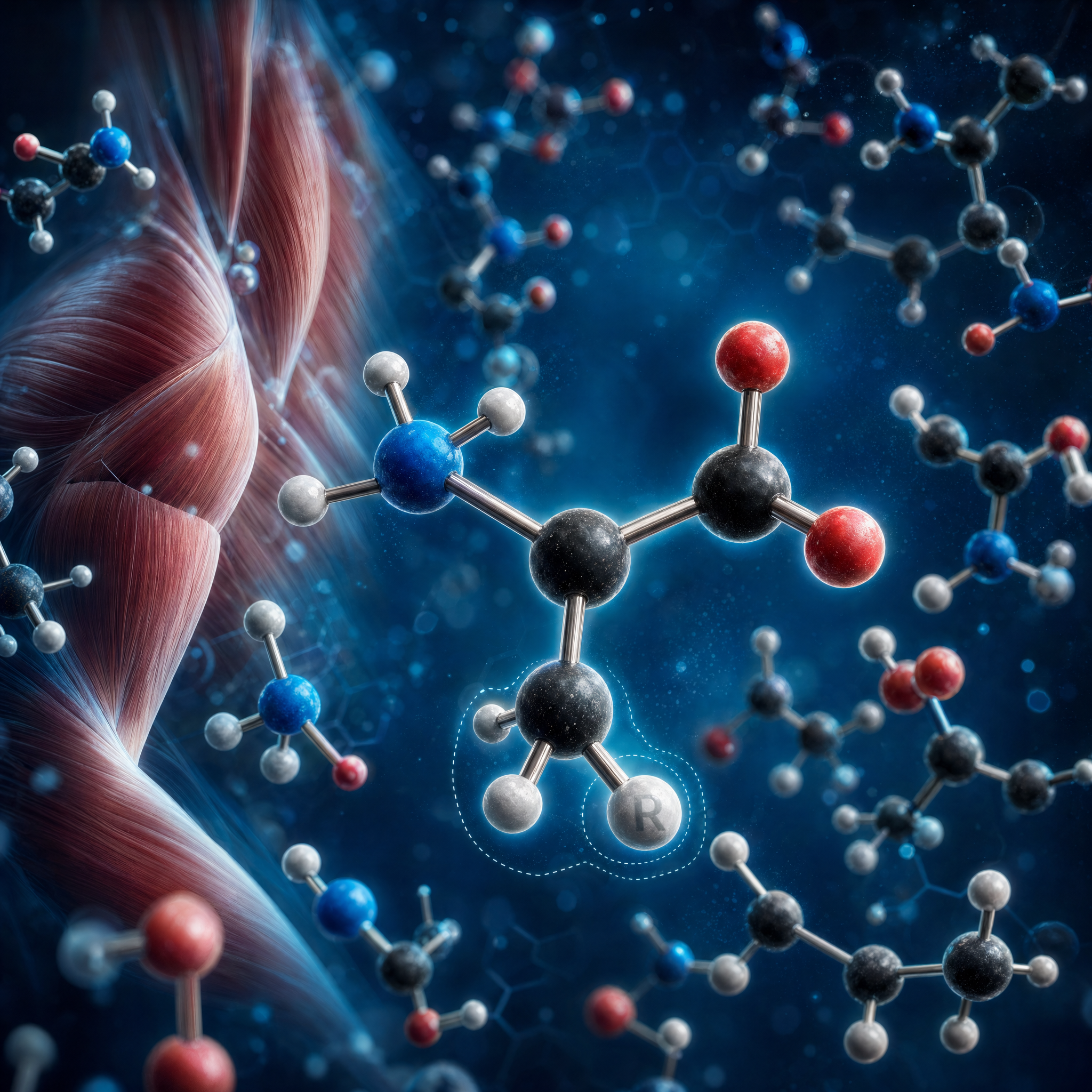
In the last part of our nutrition series, we took a deep dive into the "high-performance fuel": carbohydrates. We learned that they are indispensable for intensity. But what good is the best fuel if the chassis – your body – is crumbling under the strain?
While carbohydrates provide energy, proteins ensure that you don't just recover after training, but come back stronger. Here are 13 scientifically backed facts about the importance of proteins in endurance sports.
1. Endurance athletes have (almost) as high a demand as bodybuilders
Forget the outdated recommendations of 0.8 g of protein per kg of body weight. The International Society of Sports Nutrition (ISSN) recommends 1.4 to 2.0 g/kg for athletes to optimize adaptation processes (Jäger et al., 2017). With high training volumes, the requirement is often at the upper end of this scale.
2. Skeletal Muscle Turnover: Repair vs. Breakdown
Your skeletal muscle is in a constant state of building (synthesis) and breakdown. Protein is the most potent nutritional factor for stimulating muscle protein synthesis (MPS). It provides both the necessary signal and the substrate (amino acids) for the remodeling and adaptation of your muscles (Gorissen et al., 2015).
3. L-Glutamine: Fuel for the Gut and Immune System
L-glutamine is the most abundant free amino acid in the body. After extreme exertion, blood glutamine levels often drop significantly. Since glutamine is a central energy source for immune cells and the intestinal barrier (enterocytes), targeted supplementation after training can help stabilize immune function and protect gut health during heat or prolonged exertion (Pugh et al., 2017).
4. Protein on the bike? Mostly unnecessary!
Although professional cycling races often last over 5 hours, evidence shows that protein intake during exercise typically does not increase protein synthesis in active muscles (Beelen et al., 2008, 2011). The focus during sports should clearly be on carbohydrates and fluids.
5. The Danger: Delayed Gastric Emptying
An important reason to avoid protein during intense sessions: it can inhibit gastric emptying. This delays the delivery of urgently needed carbohydrates and fluids to the working muscles (van Loon, 2014). Performance benefits from "on-bike" protein have not been consistently proven to date.
6. You burn your own structure
During long sessions without sufficient carbohydrate intake, amino acids cover up to 10% of the energy demand through oxidation (Tarnopolsky, 2004). Without an adequate total daily protein intake, your body literally "eats" its own muscles to secure energy provision.
7. Mitochondria are Protein Structures
Endurance training aims to multiply your cellular powerhouses (mitochondria). These consist largely of enzymes and structural proteins. Protein after training not only stimulates muscle growth but specifically also the formation of these mitochondrial proteins (Trommelen et al., 2023).
8. The "Leucine Threshold" as the Ignition Key
To effectively start MPS, the body needs a critical amount of the amino acid leucine (approx. 2–3 g per meal). Only when this threshold is reached does the metabolism switch to "repair" (Churchward-Venne et al., 2012).
9. Timing beats Total Amount
Since we don't have a true protein storage, an even distribution throughout the day is crucial. The goal: About 0.3–0.4 g of protein per kg of body weight every 3 to 4 hours to keep the nitrogen balance positive (Areta et al., 2013).
10. Protein protects your Immune System
Hard training sessions lead to the "open window" effect. Many components of the immune system (antibodies, cytokines) are made of proteins. Undernourishment weakens the immune defense and makes you vulnerable to infections during intense training blocks (Walsh, 2018).
11. Recovery starts with a "Night-Cap"
Protein right before bedtime (approx. 30–40 g casein) improves nocturnal protein synthesis. Since the body goes a long time without food at night, this ensures that the repair processes from the previous training session run optimally (Res et al., 2012).
12. Satiety and Weight Management
Protein has the highest thermic effect of food (TEF) of all macronutrients and is the most satiating. For athletes looking to optimize their power-to-weight ratio, a protein-rich diet is key to reducing body fat without losing valuable muscle mass (Leidy et al., 2015).
13. Tendons and Ligaments need Collagen
About 30% of body protein is collagen. Recent studies suggest that targeted intake of collagen peptides before specific physical stress can strengthen tendon structure – an important factor in injury prevention for runners (Baar, 2017).
Conclusion: For us endurance athletes, proteins are not a luxury, but the baseline for structural integrity and immunological health. While intake on the bike is mostly negligible, intake after training and distributed throughout the day determines your long-term progress.
References:
Areta, J. L., et al. (2013). Timing and distribution of protein ingestion during prolonged recovery from resistance exercise alters myofibrillar protein synthesis. The Journal of Physiology.
Baar, K. (2017). Minimizing Injury and Maximizing Return to Play: Lessons from Engineered Ligaments. Sports Medicine.
Beelen, M., et al. (2008). Protein coingestion stimulates muscle protein synthesis during resistance-type exercise. American Journal of Physiology-Endocrinology and Metabolism.
Beelen, M., et al. (2011). Protein coingestion during resistance and endurance type exercise does not stimulate muscle protein synthesis. Journal of Applied Physiology.
Churchward-Venne, T. A., et al. (2012). Nutritional regulation of muscle protein synthesis with resistance exercise: strategies to enhance anabolism. Nutrition & Metabolism.
Gorissen, S. H., et al. (2015). Protein ingestion before and during exercise and the muscle protein synthetic response. Sports Medicine.
Jäger, R., et al. (2017). International Society of Sports Nutrition Position Stand: protein and exercise. Journal of the International Society of Sports Nutrition.
Leidy, H. J., et al. (2015). The role of protein in weight loss and maintenance. The American Journal of Clinical Nutrition.
Pugh, J. N., et al. (2017). Glutamine supplementation and its effects on exercise-induced muscle damage and inflammation. Amino Acids.
Res, P. T., et al. (2012). Protein ingestion before sleep improves postexercise overnight muscle protein synthesis. Medicine & Science in Sports & Exercise.
Tarnopolsky, M. (2004). Protein requirements for endurance athletes. Nutrition.
Trommelen, J., et al. (2023). Protein ingestion postexercise stimulates skeletal muscle (bulk and mitochondrial) protein synthesis. Medicine & Science in Sports & Exercise.
van Loon, L. J. (2014). Is there a need for protein ingestion during exercise? Sports Medicine.
Walsh, N. P. (2018). Recommendations to maintain immune health in athletes. European Journal of Sport Science.